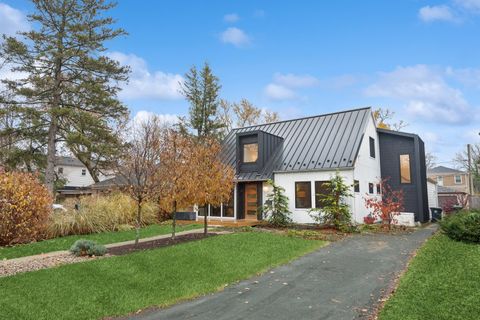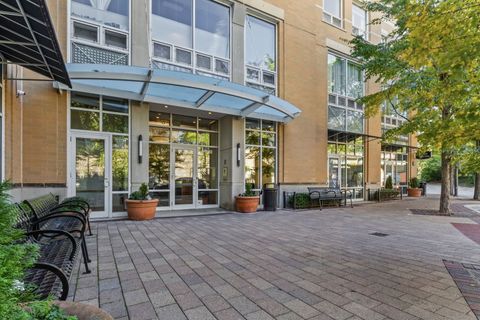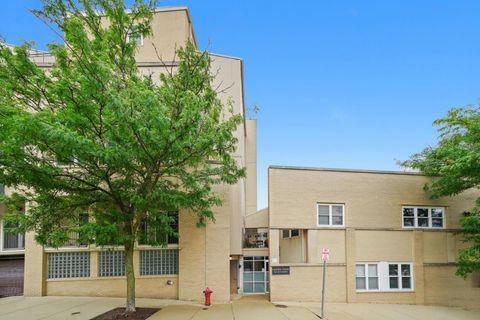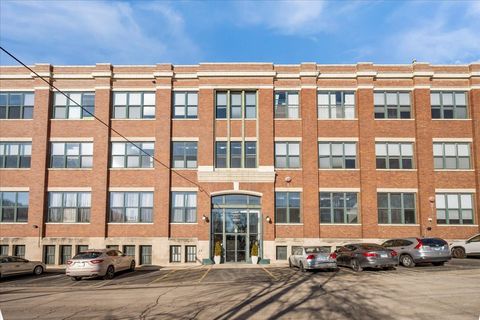

When people imagine a classic Chicago apartment, two distinct images usually come to mind. The first is the classic bungalow or courtyard building in a quiet neighborhood. The second is the gritty, glamorous industrial loft—think exposed brick, heavy timber beams, and soaring ceilings—typically found in neighborhoods like the West Loop, River North, or the South Loop.
For many renters and buyers, the “loft look” is the ultimate aesthetic. It speaks of history, creativity, and open space. But what happens when life pulls you toward the suburbs? Whether for better schools, proximity to a corporate headquarters, or a quieter pace of life, many assume that moving to the suburbs means trading that cool, industrial edge for beige carpeting and drywall.
Is it possible to find a true loft in the Chicago suburbs? The answer is yes, but with a caveat: you have to know where to look. While they aren’t as ubiquitous as they are in the city, the Chicago suburbs harbor a surprising collection of loft-style living spaces that offer the perfect blend of urban cool and suburban comfort.
The Reality: Are Lofts Common in the Suburbs?
To be blunt: no, lofts are not common in the majority of Chicago’s suburbs.
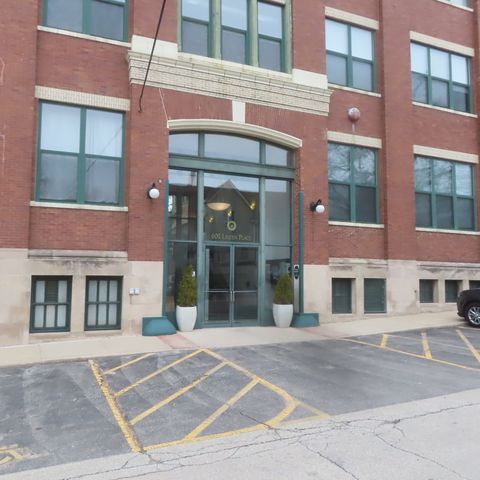
To understand why, you have to look at history. The “hard lofts” that everyone covets are adaptive reuse projects. They are former factories, warehouses, and printing presses turned into homes. Most Chicago suburbs developed as residential enclaves or farming communities. They simply didn’t have the density of heavy manufacturing buildings that the city did. You won’t find many converted factories in Naperville or Schaumburg because those areas were largely farmland until the housing booms of the mid-to-late 20th century.
However, there are exceptions. Older railroad suburbs and river towns that had their own industrial centers in the late 1800s and early 1900s are your best bet. Towns like Evanston, Oak Park, Elgin, and Aurora possess the historic downtown infrastructure necessary for these conversions.
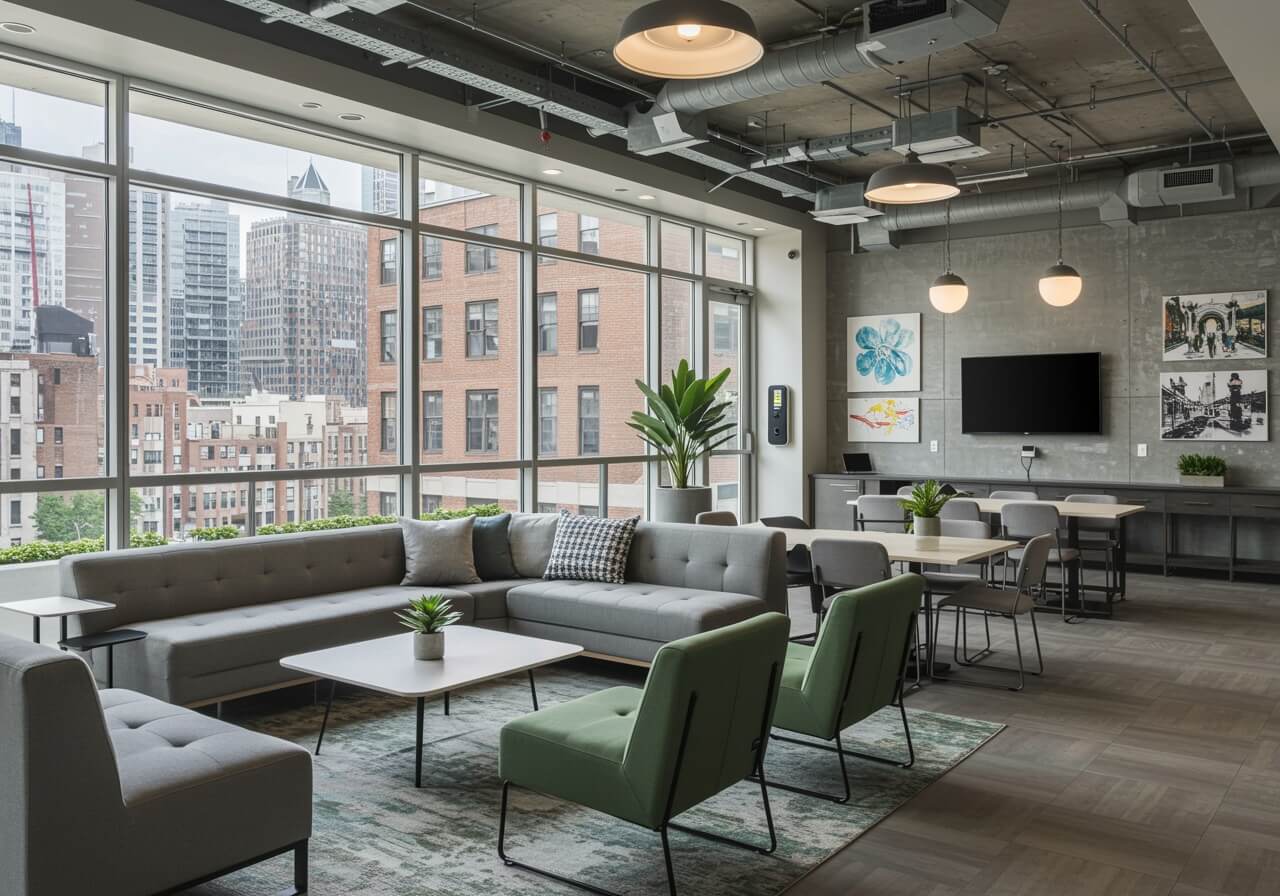
Additionally, developers have realized that suburbanites crave this aesthetic. This has led to a rise in “soft lofts”—new construction buildings designed with open floor plans, high ceilings, and exposed ductwork to mimic the industrial vibe without the historical baggage.
Spotlight on Suburban Lofts
If you are hunting for exposed brick and concrete floors outside the city limits, here are a few standout buildings and communities where the loft lifestyle is alive and well.
The Galleria (Evanston)
The city of Evanston is often called the first suburb north of Chicago, and it feels the most urban. It is no surprise that it hosts one of the best examples of suburban loft living.
The Building: Located at 1720 Sherman Avenue, The Galleria is a stunning conversion of a historic building that once housed a Marshall Field’s department store (and later, other retail). It sits right in the heart of downtown Evanston, steps from the Metra and the CTA Purple Line.
The Vibe: This is true loft living. Residents enjoy soaring 12-to-14-foot ceilings, massive windows that were originally designed to showcase retail goods, and exposed concrete pillars. The units are unique, often featuring multi-level layouts and distinctive architectural quirks that you only get with a vintage building. It offers that rare “downtown” energy while being firmly in the suburbs.
The Opera Club (Oak Park)
Oak Park is famous for Frank Lloyd Wright architecture, but it also offers a chic, modern loft option right in its downtown district.
The Building: The Opera Club is a condo development located on South Marion Street. It is a mixed-use development that anchors a very walkable, vibrant neighborhood filled with restaurants and boutiques.
The Vibe: These units lean towards the “soft loft” or luxury condo aesthetic but capture the open spirit of loft living. You’ll find open floor plans, exposed ductwork, and large private balconies. It attracts buyers who want the walkability of a city neighborhood—Oak Park is incredibly dense and transit-friendly—combined with high-end finishes.
River Street Lofts (Aurora)
For a grittier, more authentic industrial feel, you often have to look further west to the Fox River towns. Aurora, a city in its own right, has embraced its industrial past.
The Building: Located in downtown Aurora, the River Street Lofts are a prime example of adaptive reuse. These are often situated in converted manufacturing or commercial buildings along the river.
The Vibe: This is for the purist. Expect heavy timber beams, genuine exposed brick walls that have seen a century of history, and original hardwood floors. These units often offer significant square footage for a fraction of the price of a similar unit in Chicago’s West Loop. The trade-off is the distance from Chicago, but for those working in the western suburbs, it is a stylish sanctuary.
Metro Lofts (Arlington Heights)
Arlington Heights represents the “new suburban downtown.” It has built a massive, walkable city center around its Metra station.
The Building: The Metro Lofts are part of the newer wave of development (often part of larger complexes like Hancock Square or similar styles in the area).
The Vibe: These are “soft lofts.” You likely won’t find century-old brick, but you will find the design elements that make lofts popular: open kitchens, concrete ceilings, track lighting, and a lack of restrictive interior walls. They are designed for modern professionals who want the Metra commute to be as easy as walking downstairs.
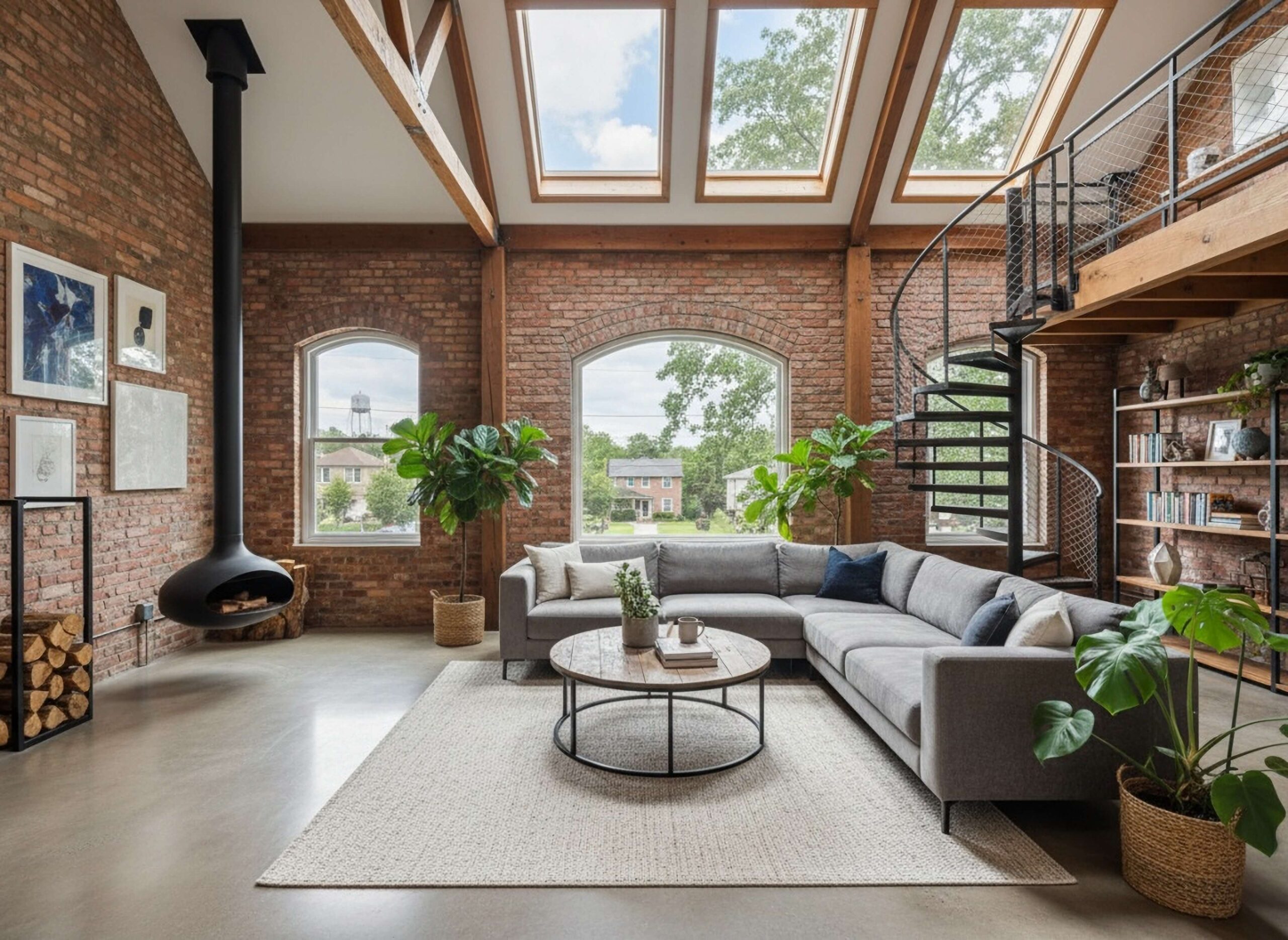
Distinctive Features of Suburban Lofts
When touring these properties, you will notice they offer a different flavor than their city counterparts. Here is what defines the suburban loft experience:
1. Hybrid Aesthetics: In the city, a loft might overlook an alley or a train track. In the suburbs, your floor-to-ceiling windows might overlook a manicured park, a quiet suburban street, or a river. It creates a unique contrast: the rugged interior of the apartment against the softer, greener exterior view.
2. “Soft” Elements: Because true industrial stock is rare, many suburban lofts are hybrids. You might get the high ceilings and exposed ductwork, but the floors might be carpeted (for noise reduction), or the “exposed brick” might be a stylish veneer rather than a structural wall.
3. Amenity-Rich Environments: City lofts are often bare-bones: you get the cool space, but maybe no doorman or gym. Suburban developments, especially newer ones, tend to package loft-style units with full amenity suites—parking garages, fitness centers, and swimming pools—catering to a demographic that expects convenience.
Why Choose a Suburban Loft?
Why hunt for a needle in a haystack? Why not just stay in the city if you want a loft?
The Price Per Square Foot: generally speaking, you get more space for your money. A two-bedroom timber loft in Evanston or Aurora will typically cost less than a comparable unit in the West Loop.
The Lifestyle Compromise: For many, the suburbs are a necessity due to life stages—perhaps you need access to specific school districts or want to be closer to family. Finding a loft allows you to embrace that suburban stability without feeling like you’ve surrendered your personal style to a cookie-cutter beige box. It allows you to keep your edge while enjoying a backyard or a quieter street.
The Commute: If you work at a corporate campus in Schaumburg, Hoffman Estates, or Naperville, living in a city loft means a brutal reverse commute. Living in a suburban loft puts you minutes from the office while still coming home to a space that inspires you.
Ready For Loft Living in Chicago’s Suburbs?
While you won’t find a converted warehouse on every corner in the suburbs, the dream of loft living outside Chicago is far from impossible. By focusing your search on historic hubs like Evanston and Aurora, or by exploring modern “soft loft” developments in transit-oriented suburbs, you can find a home that breaks the mold.
These spaces prove that you don’t need a 606 zip code to enjoy high ceilings, exposed brick, and a home with serious character. You just need to know where to look.