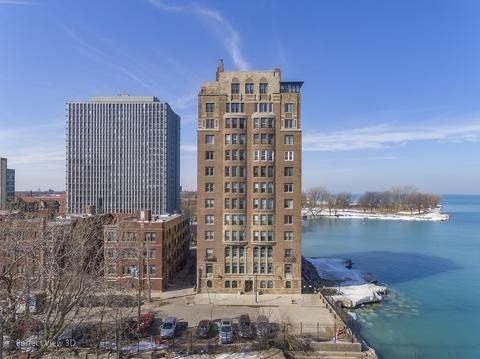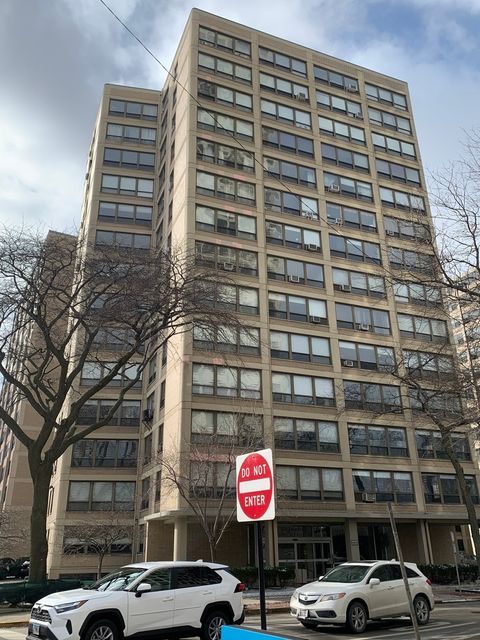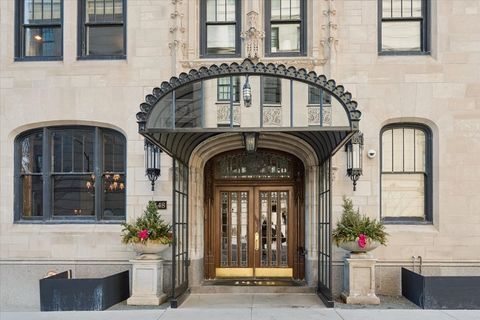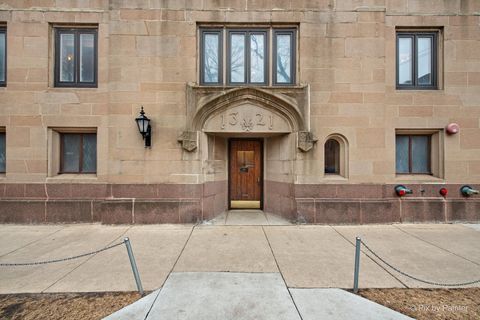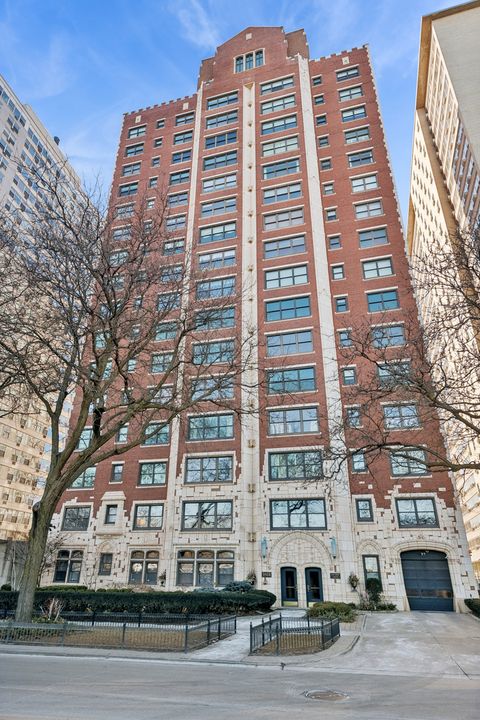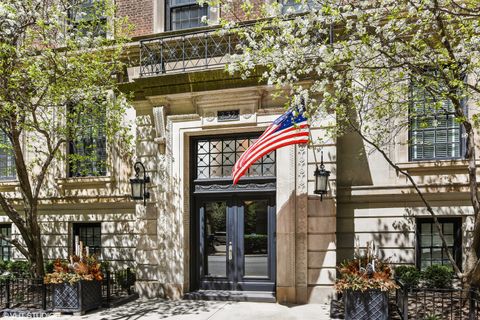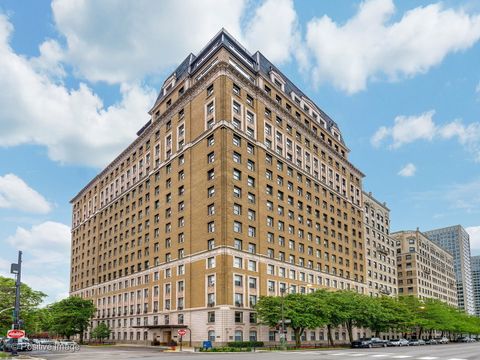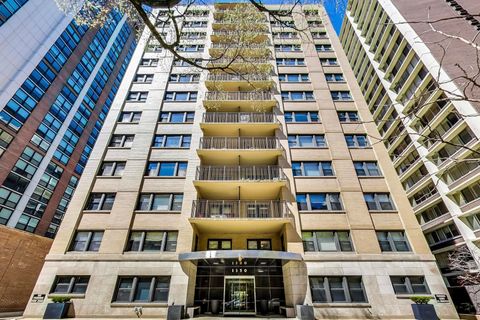
Chicago’s luxury real estate market offers a diverse array of residential options, ranging from sleek modern towers to historic pre-war buildings. Among the most exclusive properties available are cooperative, or co-op, apartments. These residences frequently feature expansive floor plans, vintage architectural details, and prestigious addresses along the lakefront.
Navigating the co-op market requires specific knowledge of how these buildings operate and what their governing boards expect from prospective buyers. Understanding the structural differences between property types is essential for anyone looking to invest in high-end real estate.
This guide provides a clear comparison between co-ops and traditional condominiums. It also highlights the features and locations of some of the most sought-after co-op buildings in Chicago, helping prospective buyers make informed decisions.
Co-op vs. Condo: Understanding the Difference
Before exploring specific buildings, it is important to define what a co-op is and how it differs from a condominium. The distinction lies primarily in the structure of ownership, the approval process, and the handling of building finances.
When you purchase a condominium, you are buying real property. You receive a deed to your specific unit, and you own a fractional interest in the building’s common areas. You secure your own mortgage, pay your own property taxes directly to the county, and have the freedom to sell or lease your unit with relatively few restrictions, provided you follow the homeowner association rules.
A cooperative operates under a different legal framework. When buying a co-op, you do not purchase real estate. Instead, you purchase shares in a corporation that owns the entire building. The size and desirability of your specific apartment determine the number of shares you hold. In exchange for your shares, the corporation grants you a “proprietary lease,” which gives you the right to occupy your unit.
Because the corporation pays a single property tax bill and holds a master mortgage for the building, co-op owners pay a monthly assessment that covers their portion of these expenses, along with standard maintenance costs. Co-op boards also hold significant power. They require rigorous financial disclosures, background checks, and personal interviews before approving a purchase. This ensures the financial stability of the entire building, as all shareholders are mutually dependent.
Top Co-op Apartment Buildings in Chicago
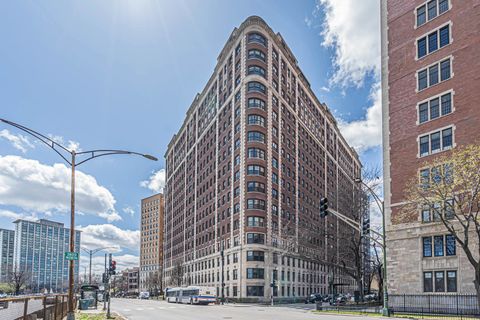
Chicago is home to several prestigious co-op buildings, heavily concentrated in the Gold Coast and Lincoln Park neighborhoods. These properties offer historic charm, privacy, and exceptional locations.
209 E. Lake Shore Drive
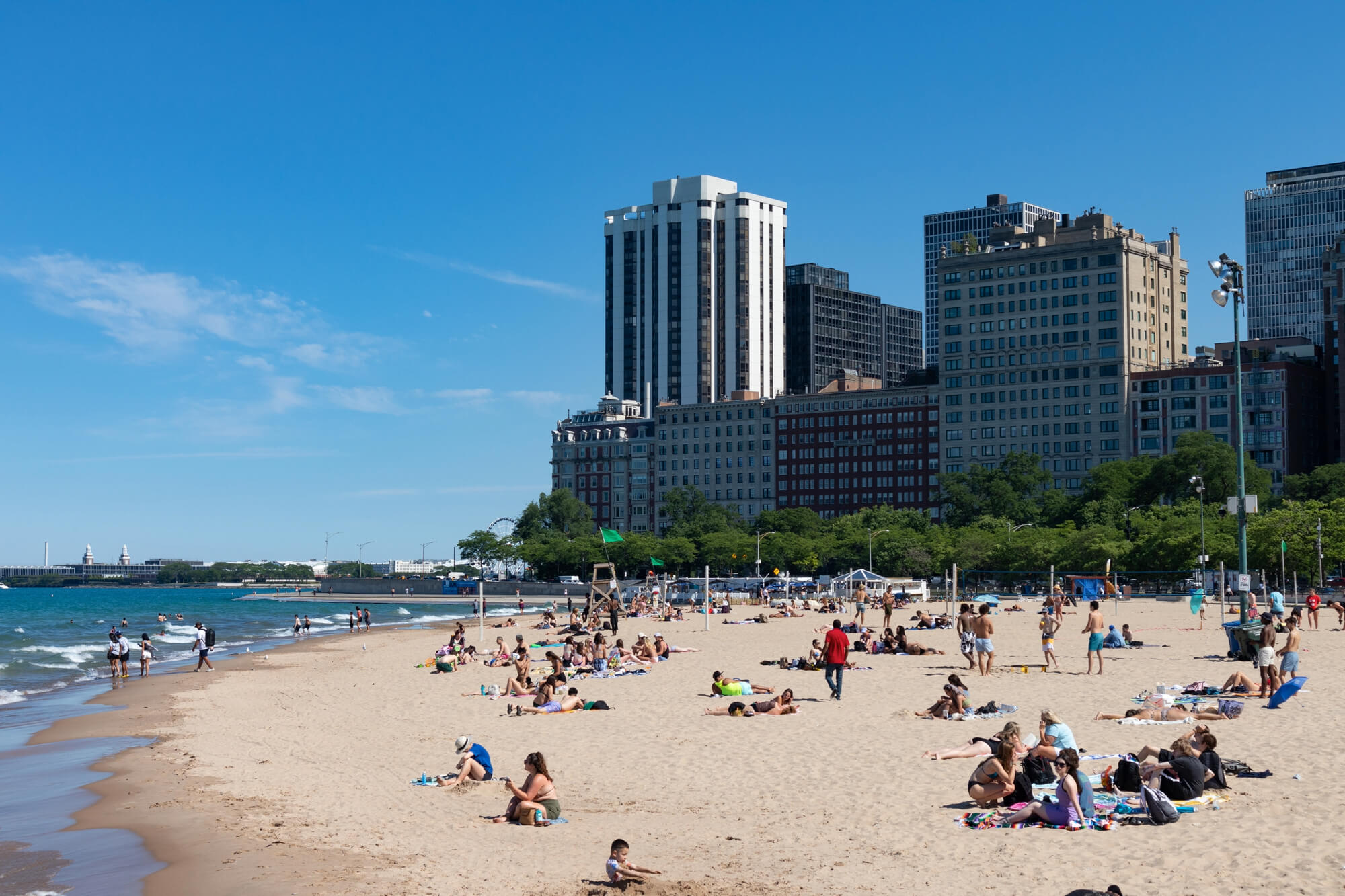
Located in the historic East Lake Shore Drive District, 209 E. Lake Shore Drive is a prime example of early 20th-century luxury. Designed by the renowned architect Benjamin Marshall in 1924, this Beaux-Arts style building offers residents sweeping, unobstructed views of Lake Michigan and Oak Street Beach. The floor plans are exceptionally grand, with each of the 17 full-floor residences encompassing over 6,500 square feet. These homes feature expansive private terraces, high ceilings, and classic layouts that provide the privacy and scale of a single-family home, complemented by the convenience of white-glove building services, including a 24-hour doorman and an on-site engineer.
1320 N. State Parkway
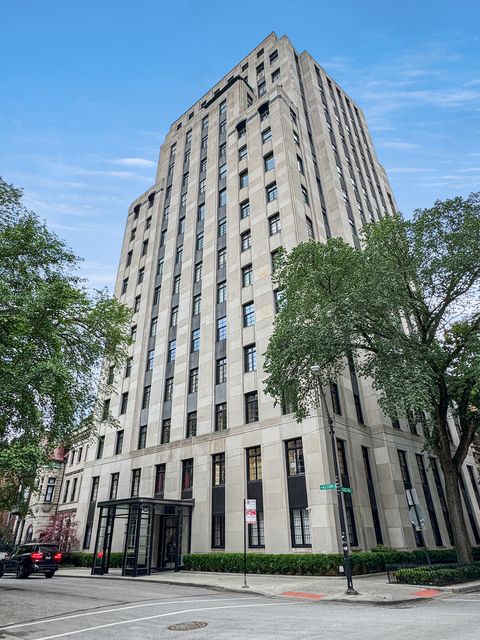
Situated in the heart of the Gold Coast, 1320 N. State Parkway is a premier example of vintage Chicago architecture designed by Robert S. De Golyer. Built in 1926, this distinguished co-op building features just 28 exclusive residences, ensuring a private and intimate living experience. The half- and full-floor layouts are renowned for their intricate moldings, classic wood-burning fireplaces, and soaring ceilings. Its prime location offers immediate access to the high-end dining and shopping on Oak Street and Michigan Avenue, as well as proximity to cultural institutions and the lakefront, making it highly desirable for buyers seeking an active, urban lifestyle within a quiet, residential enclave.
2430 N. Lakeview Avenue
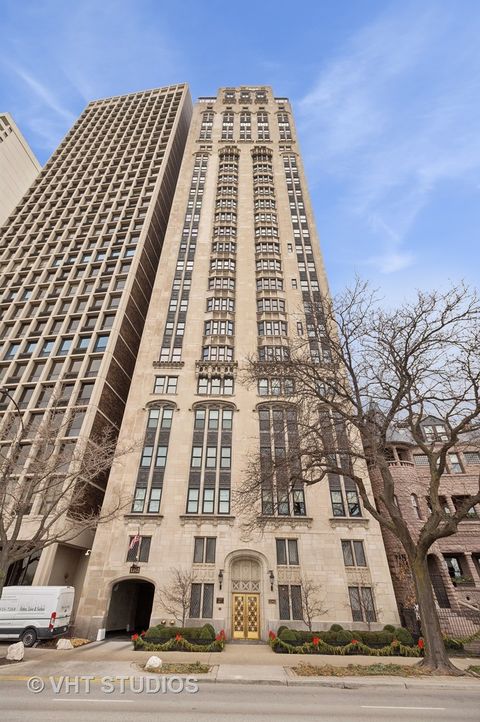
Slightly north in Lincoln Park, 2430 N. Lakeview Avenue offers an elegant residential experience with direct views of the park and Lake Michigan. Designed by the renowned architect Rosario Candela and completed in 1927, this historic cooperative is celebrated for its distinctive Georgian architectural style, featuring an intricate limestone and brick facade. The building is known for its spacious, family-sized apartments, which often include grand entry foyers, high ceilings, wood-burning fireplaces, and detailed millwork. Residents benefit from well-maintained common areas, including a landscaped garden and a rooftop terrace. Its location provides unparalleled proximity to the Lincoln Park Conservatory, the Peggy Notebaert Nature Museum, and miles of lakefront trails.
999 N. Lake Shore Drive
Also designed by Benjamin Marshall, 999 N. Lake Shore Drive is a prominent cooperative building that has graced Chicago’s skyline since 1912. This Parisian-inspired edifice combines classic architectural elements, including a distinctive mansard roof and elegant limestone facade, with an exceptional lakefront position. Residents enjoy full-service amenities, such as a 24-hour doorman and an on-site engineer. The building’s generously proportioned floor plans were specifically designed to accommodate large-scale entertaining, often featuring expansive living rooms, formal dining areas, and stunning, unobstructed views of Lake Michigan.
1242 N. Lake Shore Drive
Constructed in 1928, 1242 N. Lake Shore Drive is a distinguished cooperative building that exudes pre-war elegance. The building’s Art Deco design by architect Robert S. De Golyer features a striking limestone and brick facade. It is known for its spacious and unique multi-level floor plans, including maisonettes with private entrances that offer the feel of a single-family home. The solid construction provides excellent soundproofing, ensuring a serene living environment despite its prominent location along one of the city’s busiest thoroughfares. Residents also benefit from white-glove services, including a 24-hour doorman and an on-site engineer.
199 E. Lake Shore Drive
As the westernmost building on East Lake Shore Drive, the fifteen-story 199 E. Lake Shore Drive holds a commanding position near the intersection of Michigan Avenue. Designed by the architectural firm of Marshall and Fox in 1926, this co-op building offers highly secure, private living with only two units per floor. Known for its sophisticated Parisian style, the limestone facade features elegant quoins and a mansard roof. The spacious residences, typically featuring three bedrooms and over 4,000 square feet, are known for their grand formal rooms, high ceilings, and wood-burning fireplaces. Residents benefit from being steps away from the Magnificent Mile while residing on a quiet, tree-lined street.
229 E. Lake Shore Drive
Sharing the prestige of the East Lake Shore Drive District, 229 E. Lake Shore Drive offers luxurious living with unobstructed water views. Designed by renowned architects Fugard & Knapp, this 1928 building showcases a classic limestone facade in the French Chateau style. The co-op residences, typically half-floor units, reflect the opulence of the era with grand entry galleries, formal dining rooms with ornate moldings, and expansive primary suites featuring fireplaces. The co-op board is known for maintaining exacting standards for both the building’s pristine upkeep and its robust financial health, ensuring a stable and well-managed living environment.
1500 N. Lake Shore Drive
Often considered one of Chicago’s most distinguished addresses, 1500 N. Lake Shore Drive was designed by the architectural firm McNally & Quinn and completed in 1931. This prestigious Gold Coast co-op is renowned for its unique single-residence-per-floor layout, ensuring ultimate privacy and exclusivity for its residents. The building is famous for its custom-designed floor plans, meaning no two of the 47 apartments are exactly alike, with many featuring expansive terraces, wood-paneled libraries, and multiple fireplaces. The property boasts exceptional, white-glove staff services, valet parking, a state-of-the-art fitness center, and unparalleled, protected views of Lake Michigan and the city skyline.