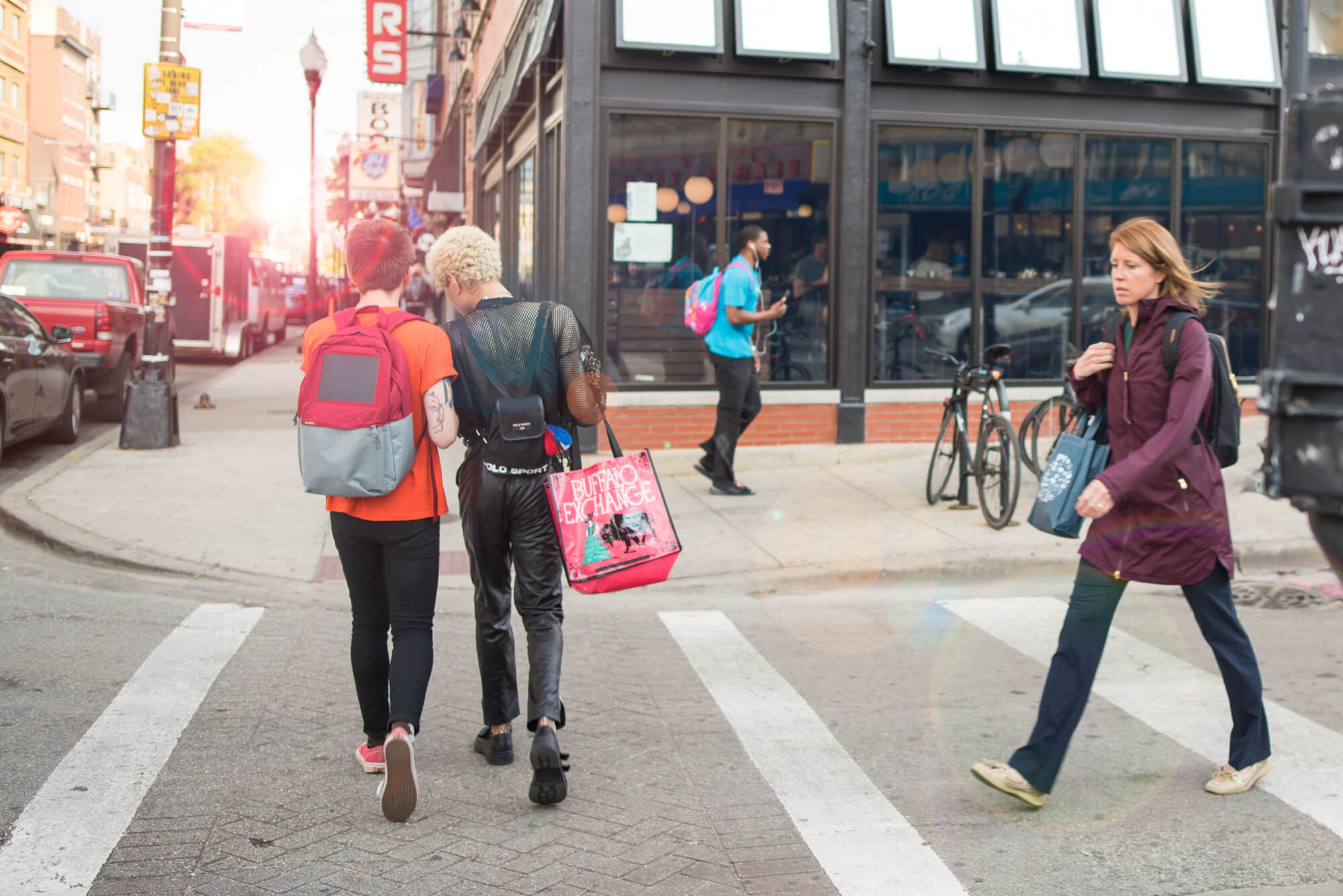
Chicago is one of America’s most walkable cities—and nowhere is that more apparent than on the North Side. Tree-lined streets, vibrant commercial corridors, world-class parks, and dense transit access make this part of the city a haven for residents who prefer to leave the car keys at home.
Whether you’re relocating to Chicago or simply reconsidering your current neighborhood, walkability is one of the most important factors in quality of life. A walkable neighborhood means easy access to groceries, restaurants, parks, and transit—all within a comfortable distance on foot. On Chicago’s North Side, several neighborhoods stand out for doing this exceptionally well. Here’s a closer look at several of the most walkable neighborhoods on Chicago’s North Side, along with the specific streets, corridors, and parks that make each one so pedestrian-friendly.
Andersonville
Andersonville, nestled within the Edgewater community, consistently ranks as one of Chicago’s most livable and walkable neighborhoods. Its compact, human-scale design allows residents to accomplish nearly all daily tasks on foot, from grocery runs to weekend dinners, creating a self-contained village atmosphere within the bustling city.
The neighborhood’s main artery is Clark Street, a vibrant commercial corridor running from Foster Avenue to Bryn Mawr Avenue. This stretch is the heart of Andersonville, lined with an eclectic mix of independent bookstores, specialty food shops, Swedish bakeries, wine bars, and restaurants. The density and variety of businesses along Clark Street mean most errands can be completed without a car, solidifying its reputation for walkability.
Radiating from this central hub, the residential side streets—particularly along Berwyn, Farragut, and Catalpa Avenues—offer quiet, tree-lined routes perfect for a leisurely stroll. These peaceful blocks lead to cherished green spaces that enhance the neighborhood’s pedestrian-friendly character. Hollywood Park provides a nearby spot to unwind, while the expansive 42-acre Winnemac Park offers a significant natural retreat with open fields, a running track, and a woodland area ideal for walkers and joggers. It is this seamless integration of commercial vibrancy and residential tranquility that makes Andersonville a premier destination for those who value a pedestrian-oriented lifestyle.
Uptown
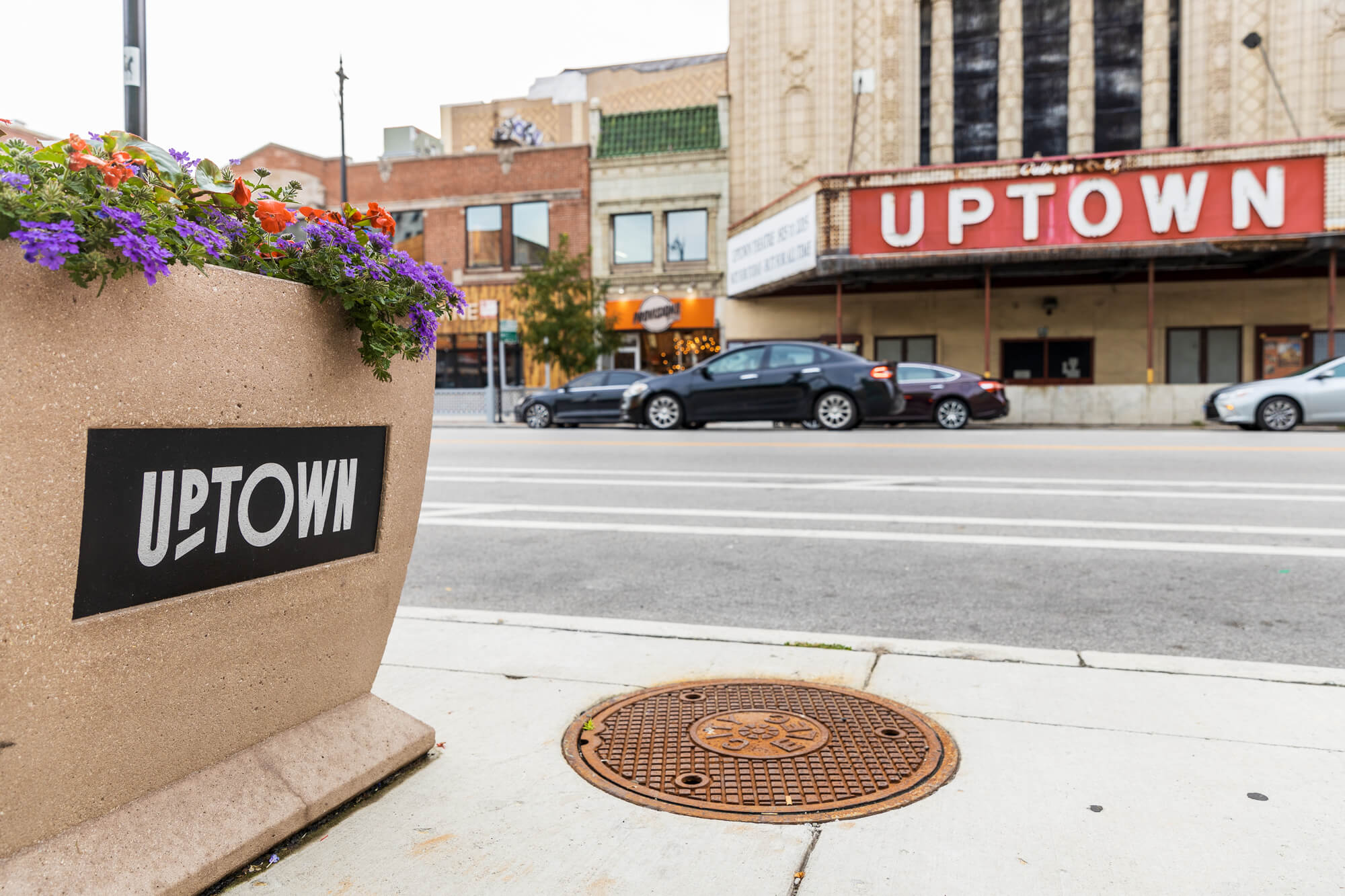
Often overlooked in favor of its more prominent North Side neighbors, Uptown is an underrated gem that stands as one of the area’s most walkable and culturally rich neighborhoods. Its dense street grid, exceptional transit access, and diverse array of businesses concentrated along key corridors create an environment where daily life can thrive without reliance on a vehicle.
One of Uptown’s most distinctive walkable areas is Argyle Street. This vibrant stretch between Broadway and Sheridan Road, informally known as “Asia on Argyle,” is a bustling marketplace dense with Vietnamese, Chinese, and Thai restaurants, grocery stores, and specialty shops. The authentic pedestrian experience here, anchored by the Argyle Red Line station, makes it one of the most dynamic and transit-accessible streets on the North Side.
Just south of this international corridor, the intersection of Broadway and Lawrence Avenue serves as Uptown’s primary commercial center. This wide, active stretch is lined with essential businesses, including grocery stores, banks, pharmacies, and various dining options, providing residents with genuine car-free access to daily necessities. From this hub, Lawrence Avenue extends eastward, leading directly to the lakefront, where Montrose Beach and Montrose Harbor offer another exceptional expanse of green space. This combination of an active commercial grid, a globally renowned cultural district, and direct access to one of Chicago’s most popular beaches and natural sanctuaries solidifies Uptown’s status as a walkable neighborhood deserving of far more attention.
Roscoe Village
Roscoe Village occupies a quieter, more intimate corner of the North Side, bordered by Addison Street, Western Avenue, Belmont Avenue, and Damen Avenue. While it may not see the high foot traffic of its neighbors, its walkability stems from a different quality: a slow, neighborhood-friendly pace that rewards those who prefer a leisurely stroll over a frantic rush. This relaxed atmosphere finds its heart along Roscoe Street, the village’s main east-west artery.
The commercial stretch of Roscoe Street, particularly between Damen and Oakley Avenues, is a pedestrian’s delight. Lined with boutique shops, charming cafes, sophisticated wine bars, and family-owned restaurants, this compact corridor in Roscoe Village can be explored end-to-end in minutes. Yet, its rich offerings provide ample reason to linger. The street’s design, which intentionally minimizes parking, calms vehicle traffic and dedicates more space to an enjoyable sidewalk experience, reinforcing the neighborhood’s pedestrian-first feel.
This emphasis on walkability extends beyond the commercial district into its abundant green spaces. The tree-lined residential streets, such as Henderson and Byron, create a comforting sense of enclosure that makes walking feel natural and inviting. These pleasant routes provide easy access to nearby parks, including the playgrounds and sports fields at Fellger Park and Hamlin Park. For those seeking a longer, more scenic route, the North Branch of the Chicago Riverwalk is just a short distance away, offering dedicated pedestrian paths along the water and connecting residents to the city’s broader network of trails.
Lakeview
Lakeview stands as one of Chicago’s most densely populated and commercially vibrant neighborhoods, a fact that directly contributes to its reputation as one of the city’s most walkable areas. Stretching from Diversey Parkway to Irving Park Road and from the lakefront to Ravenswood Avenue, the Lakeview neighborhood is a composite of distinct enclaves, including the famed Wrigleyville and Boystown, each offering a unique pedestrian experience. The urban energy here is palpable, with a grid designed for foot traffic.
This walkability is most concentrated along two primary high-density corridors. The east-west running Belmont Avenue is a thoroughfare bustling with retail, dining, and numerous transit options. Meanwhile, Broadway cuts a diagonal path through the neighborhood, acting as a vital artery that connects Lakeview’s various pockets. It is consistently lined with an array of essential amenities, including restaurants, bars, pharmacies, gyms, and grocery stores, ensuring that daily errands do not require a vehicle. The convergence of these streets, particularly at the intersection of Belmont and Clark, forms one of the busiest pedestrian nodes on the North Side. This area serves as a central hub for shopping, nightlife, and transit, with the nearby Belmont ‘L’ station providing access to the Red, Brown, and Purple Lines, which significantly reinforces the area’s pedestrian-friendly infrastructure.
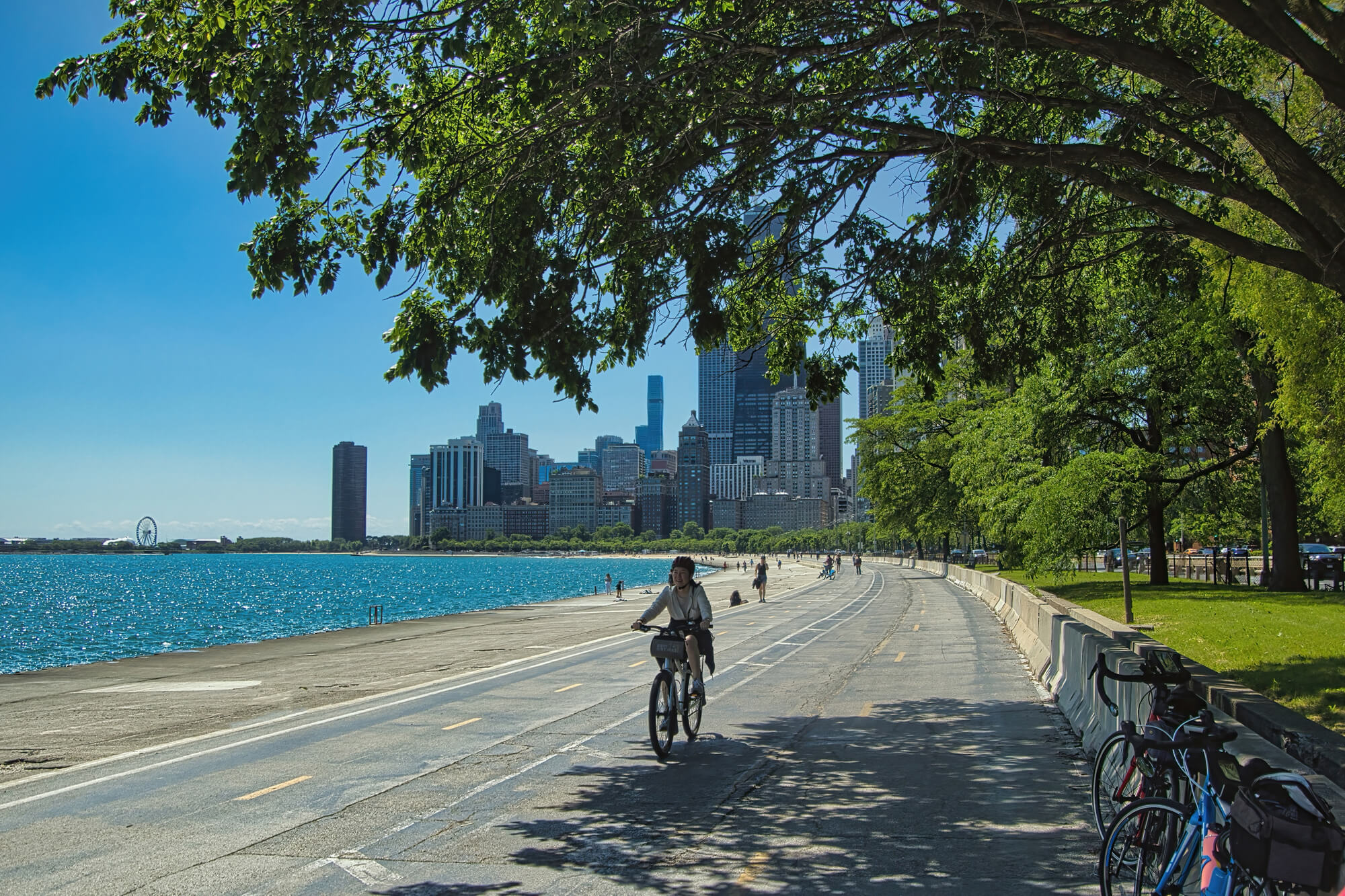
Beyond its commercial appeal, Lakeview’s eastern boundary offers direct access to one of Chicago’s most prized recreational assets: the Lakefront Trail. This 18.5-mile multi-use path stretches along the entire shoreline, and residents can easily enter at Belmont or Diversey Harbors. From there, walkers and cyclists are treated to sweeping views of Lake Michigan, expansive parkland, and numerous recreational facilities. The neighborhood’s walkability is further amplified by cultural landmarks like Wrigley Field, which anchors the Wrigleyville sub-neighborhood. The stadium consistently draws significant foot traffic, ensuring the surrounding streets—especially Clark Street north of Addison—remain active and well-serviced by a robust ecosystem of local businesses.
Lincoln Park
Lincoln Park is widely regarded as one of Chicago’s premier neighborhoods, and its exceptional walkability plays a significant role in this reputation. Anchored by the massive green space that runs along the lakefront, the Lincoln Park neighborhood masterfully blends urban sophistication with natural scenery in a way few others can match. This unique character is largely defined by its vibrant commercial corridors and, of course, the park itself.
The neighborhood’s walkable nature is perhaps best exemplified by two key commercial arteries: Armitage Avenue and Halsted Street. Running east-west, Armitage Avenue is a picturesque street known for its upscale boutiques, independent coffee shops, and well-maintained sidewalks shaded by mature trees. In contrast, the north-south running Halsted Street features a broader, more energetic mix of restaurants, bars, and retail stores, particularly active in the stretch between Armitage and Fullerton Avenue. The intersection of these two streets serves as a natural pedestrian gathering point, perfectly reflecting the neighborhood’s blend of polished retail and everyday accessibility.
However, the defining asset that elevates Lincoln Park’s walkability to an extraordinary level is its namesake park. Spanning over 1,200 acres, Lincoln Park is a destination in itself, offering residents direct, walkable access to amenities like the free Lincoln Park Zoo, the Peggy Notebaert Nature Museum, the Lincoln Park Conservatory, multiple harbors, and extensive sports fields. The park’s long stretches of the Lakefront Trail and the walking paths flanking Cannon Drive allow for seamless pedestrian movement through its lush landscapes. This ability for residents to walk from their front door into one of the largest urban parks in the country is a rare quality that fundamentally shapes the neighborhood’s lifestyle and appeal.
What Makes a North Side Neighborhood Truly Walkable?
Looking across these five neighborhoods, a few consistent factors emerge that drive genuine walkability:
- Dense, mixed-use commercial corridors that put daily needs—groceries, coffee, healthcare, restaurants—within easy walking distance
- Connected street grids that allow direct, logical routes on foot without barriers or dead ends
- Quality parks and green space that give residents a reason to walk for pleasure, not just necessity
- Transit access via the CTA L or bus lines, which extends walkability beyond what legs alone can cover
- Tree canopy and sidewalk quality, which makes walking feel safe and comfortable throughout the year
Each of these neighborhoods delivers on most, if not all, of these criteria—which is why they consistently draw residents who prioritize walkable living.
Finding Your Most Walkable Chicago Home
Walkability is both a lifestyle preference and a long-term investment consideration. Neighborhoods with strong walk scores tend to hold property values well, attract consistent rental demand, and offer residents a higher quality of daily life. For buyers and renters evaluating Chicago’s North Side, Andersonville, Roscoe Village, Lakeview, Lincoln Park, and Uptown represent five compelling and distinct options—each walkable in its own way.
The best fit depends on what you’re looking for: the intimate village feel of Andersonville, the lakefront grandeur of Lincoln Park, the urban energy of Lakeview, the charm of Roscoe Village, or the underappreciated diversity of Uptown. What they share is a pedestrian-friendly foundation that makes daily life more connected, more convenient, and more enjoyable.