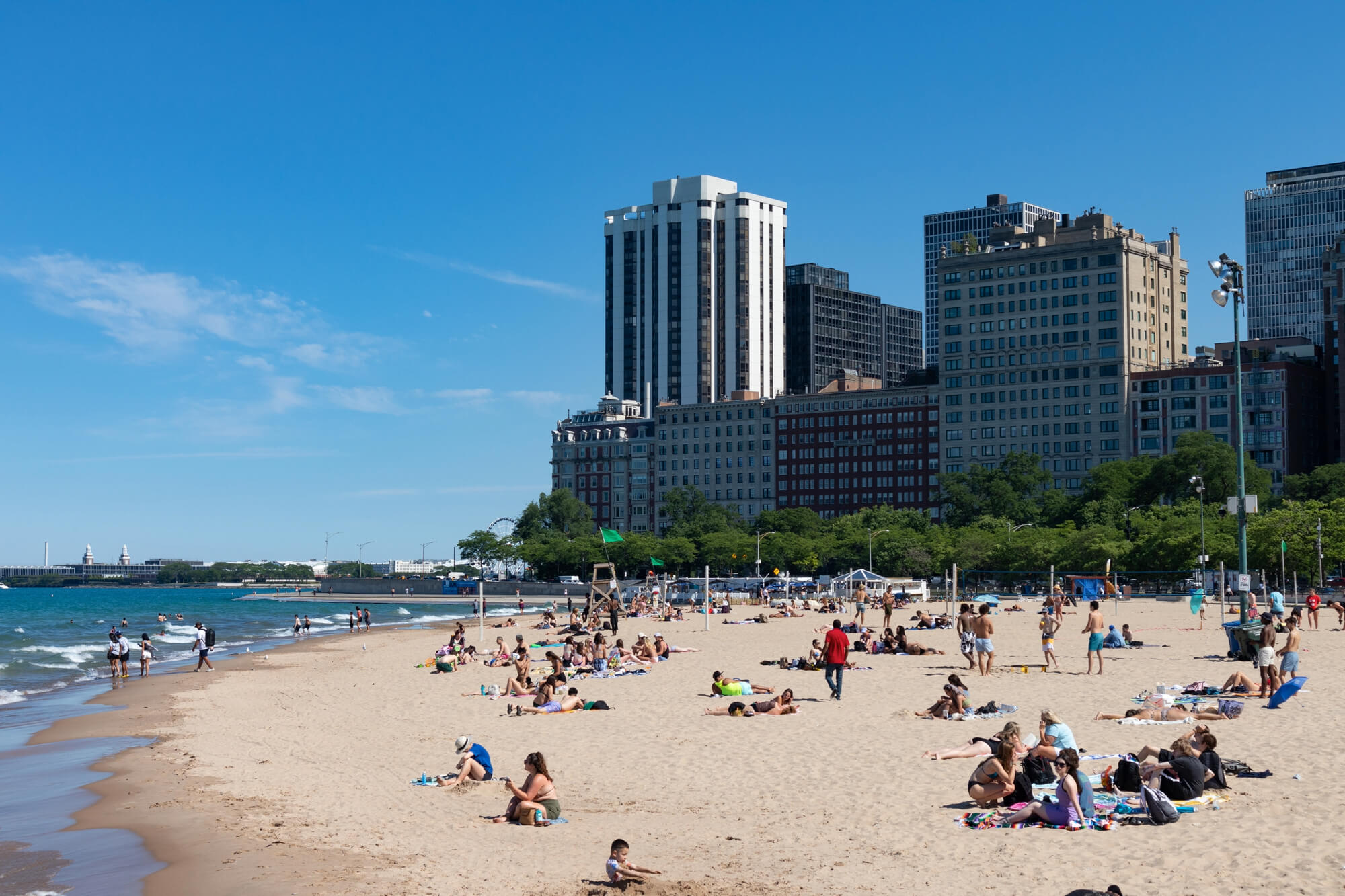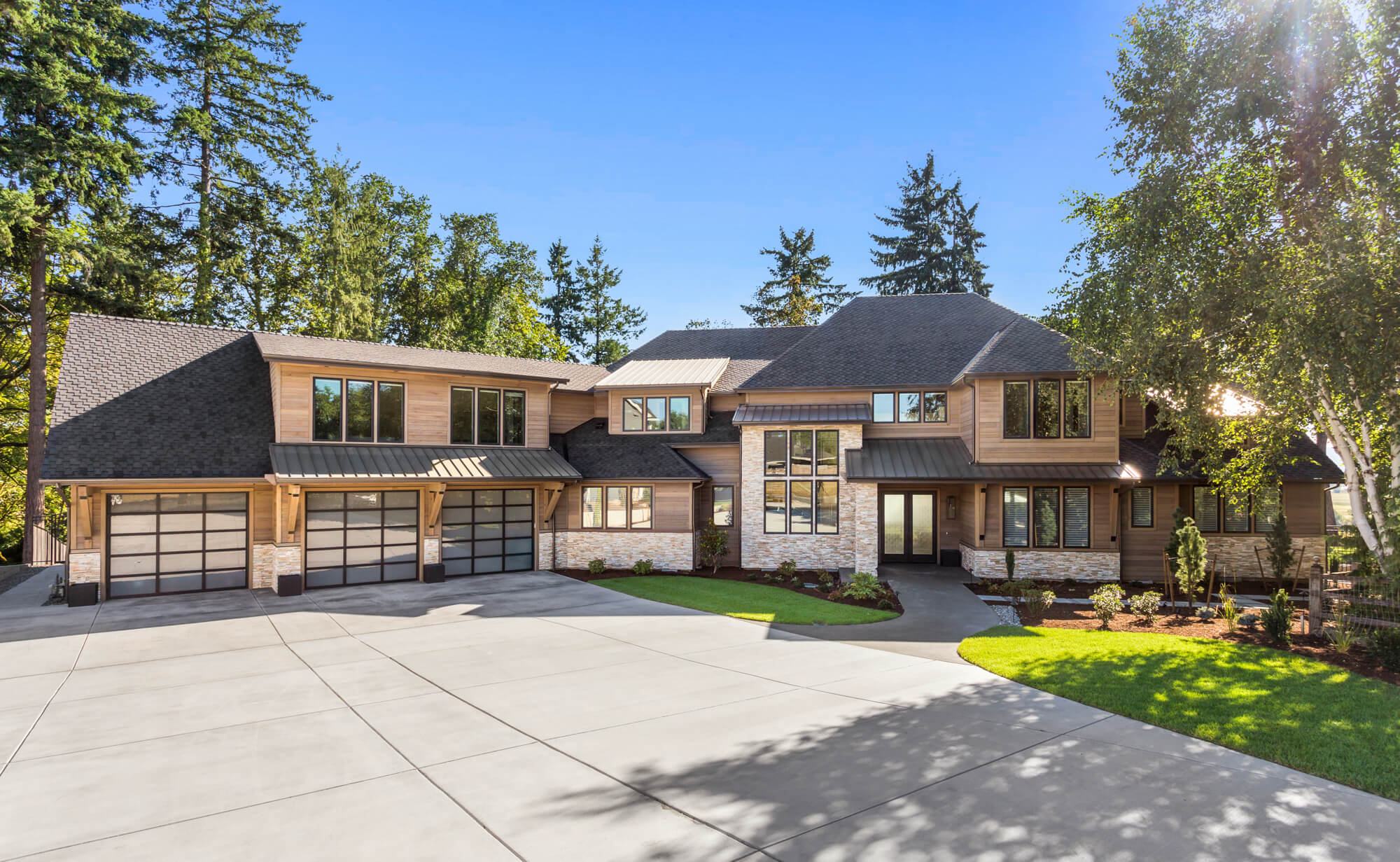
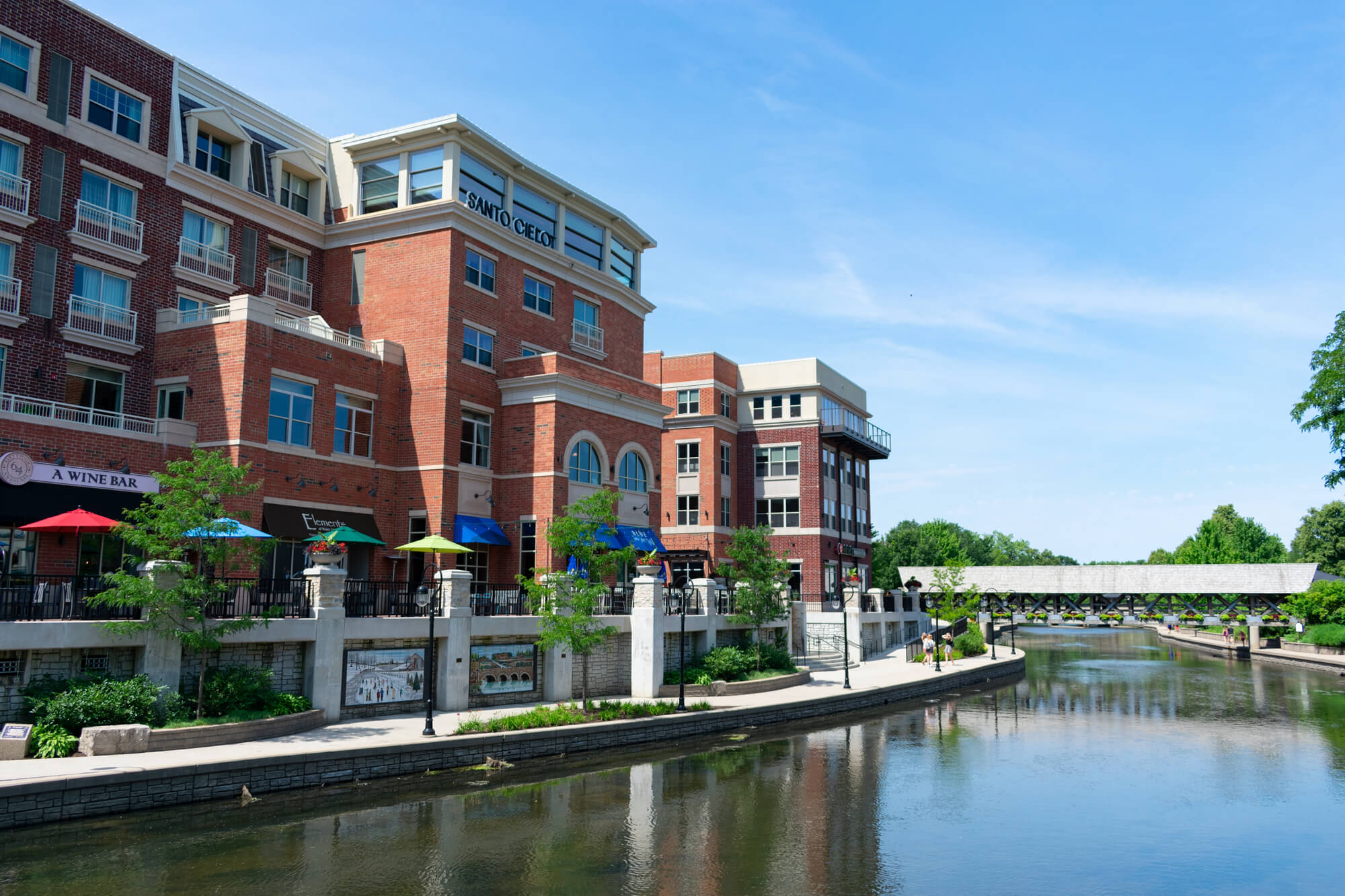
For many, the allure of Chicago lies in its vibrant neighborhoods, lakefront skyline, and world-class dining. However, as priorities shift—whether due to a growing family, a desire for more space, or simply a need for a quieter pace of life—the suburbs often start calling.
Renting in the Chicago suburbs doesn’t mean trading culture for cornfields. The “Chicagoland” area boasts one of the most robust suburban ecosystems in the country. From historic villages with walkable downtowns to modern developments with resort-style amenities, the rental market is diverse and appealing.
If you are considering trading your city key fob for a suburban set of keys, here is what you need to know about the vibe, the commute, and the unique personalities of Chicago’s suburban regions.
City vs. Suburbs: The Vibe Shift
The most immediate difference renters notice when moving from the city to the suburbs is the change in density and noise. While neighborhoods like Lincoln Park or Wicker Park buzz with energy 24/7, suburban life operates on a different frequency.
Space and Pace: In the city, you pay a premium for square footage. In the suburbs, your rental dollar stretches further. You are more likely to find apartments with dedicated dining rooms, multiple bathrooms, and perhaps most importantly, parking that doesn’t require a daily battle or an expensive monthly fee. The pace is slower, but not necessarily sleepy. Many suburbs have invested heavily in their downtown districts, creating “mini-cities” with high-end restaurants, boutique shopping, and craft breweries. You can still get a great latte or a craft cocktail; you just might not have to wait in line for 45 minutes to get it.
Green Space: While Chicago has wonderful parks, suburban rentals often offer immediate access to nature. Many apartment complexes feature landscaped grounds, and you are rarely far from forest preserves, bike trails, or golf courses. It’s a lifestyle that leans heavily into outdoor recreation and family-friendly activities.
Commuting: Planes, Trains, and Automobiles
One of the biggest concerns for potential suburban renters is the commute. Fortunately, the Chicago metropolitan area has one of the best transit systems in the United States.
The Metra Rail System
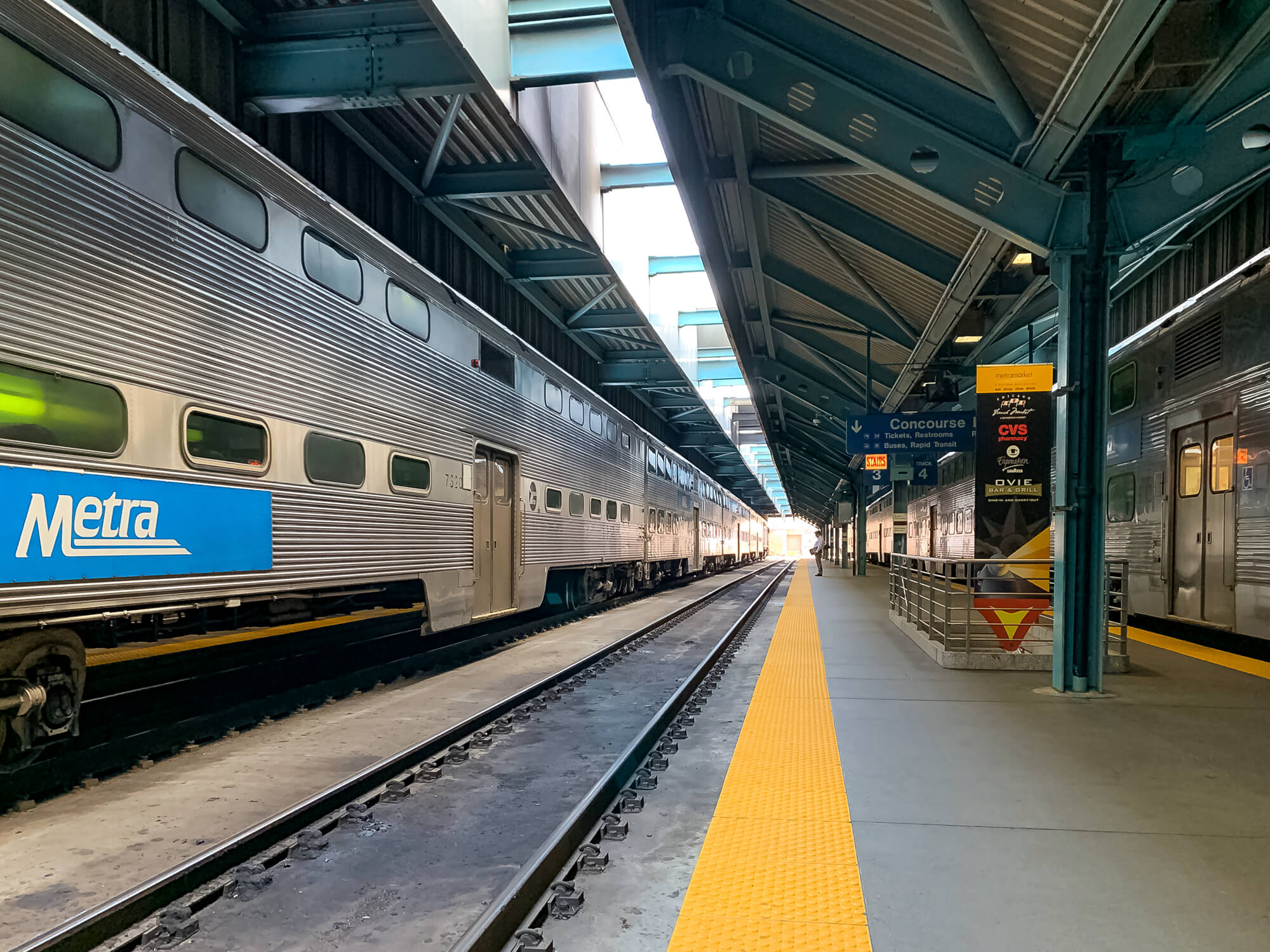
The Metra is the lifeline of the suburbs. This commuter rail system connects the outlying regions directly to downtown terminals like Union Station and Ogilvie Transportation Center.
- Reliability: Unlike sitting in traffic on the Kennedy Expressway, the train runs on a schedule. You can read, work, or nap during your commute.
- Express Trains: During rush hour, many lines run express trains that skip smaller stops, significantly cutting down travel time. A commute from a suburb 20 miles out might only take 30–40 minutes on an express train.
Driving and Expressways
If you drive, your experience depends heavily on where you live relative to the major arteries: I-90 (Kennedy/Jane Addams), I-290 (Eisenhower), I-55 (Stevenson), and I-94 (Edens). Traffic is a reality of Chicago life, but living near these expressways offers flexibility for getting around the region, not just downtown.
Regional Breakdown: Finding Your Spot
Chicago’s suburbs are generally grouped into four main geographic areas, each with a distinct character.
1. The North Shore
Vibe: Affluent, historic, and lake-focused.
Key Towns: Wilmette, Winnetka, Highland Park, Lake Forest.
The North Shore is famous for its grand estates and proximity to Lake Michigan. Renting here often means living in older, character-rich buildings or luxury boutique condos. The vibe is sophisticated and quiet. Residents enjoy beautiful beaches, ravine trails, and upscale shopping districts. The commute is scenic (often along the lake) and serviced by the Metra Union Pacific North line.
2. The Western Suburbs
Vibe: Family-oriented, bustling downtowns, and excellent schools.
Key Towns: Naperville, Hinsdale, Wheaton, Downers Grove.
The Western suburbs are arguably the most popular destination for families leaving the city. Towns like Naperville are large enough to feel like independent cities, with thriving riverwalks and nightlife. The rental market here is vast, ranging from large apartment complexes with pools to single-family homes for rent. The BNSF Metra line is a workhorse, efficiently shuttling thousands of commuters to the city daily.
3. The Northwest Suburbs
Vibe: Modern, commercial hubs, and convenient.
Key Towns: Arlington Heights, Schaumburg, Palatine, Des Plaines.
This region is a powerhouse of commerce. With landmarks like Woodfield Mall and corporate headquarters in Schaumburg, many residents here don’t even commute to Chicago—they work locally. The housing stock is newer, with many large, amenitized apartment communities built in the last 20 years. Proximity to O’Hare International Airport is a major perk for frequent travelers.
4. The South Suburbs
Vibe: Diverse, affordable, and rich in nature.
Key Towns: Orland Park, Tinley Park, Homewood, Flossmoor.
The South Suburbs offer some of the best value for renters. You can find spacious, updated apartments for significantly less than in the northern or western regions. The area is known for massive forest preserves and a down-to-earth community feel. The Metra Electric District line offers reliable service to Millennium Park, making it a convenient option for downtown workers.
The “border” Suburbs: Best of Both Worlds
If you aren’t quite ready for a sprawling lawn and a riding mower, the suburbs that directly border Chicago offer a perfect middle ground. These towns are technically suburbs, but they function like extensions of the city.
Evanston
Situated directly north of Chicago along the lake, Evanston is home to Northwestern University. It has a distinctly urban feel with high-rise apartments, a diverse population, and a vibrant arts scene.
- Transit: You have the unique advantage of accessing both the Metra and the CTA Purple Line (the “L”), making it incredibly easy to get into the city cheaply.
Oak Park
Located directly west of the city, Oak Park is famous for its Frank Lloyd Wright architecture and progressive community spirit. It feels urban, walkable, and historic.
- Transit: Like Evanston, Oak Park is served by the CTA (Green and Blue lines) as well as the Metra. You can be in the Loop in 20 minutes, yet return home to a quiet, tree-lined street.
Ready to Find Your Suburban Chicago Apartment?
Renting in the Chicago suburbs is not a compromise; it is a lifestyle choice that offers comfort, convenience, and community. Whether you crave the lakeside luxury of the North Shore, the bustling energy of the Western suburbs, or the urban-suburban blend of Oak Park, there is a rental market waiting to welcome you home.
Take the time to visit these neighborhoods, ride the Metra during rush hour, and walk the downtowns on a Saturday morning. You might just find that life outside the city limits is exactly what you’ve been looking for.