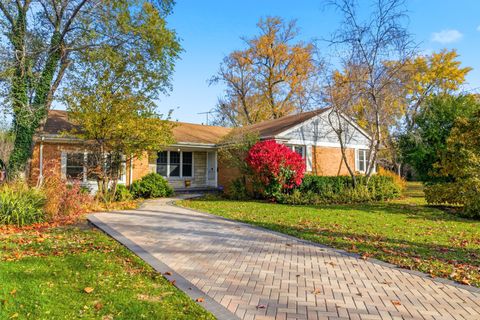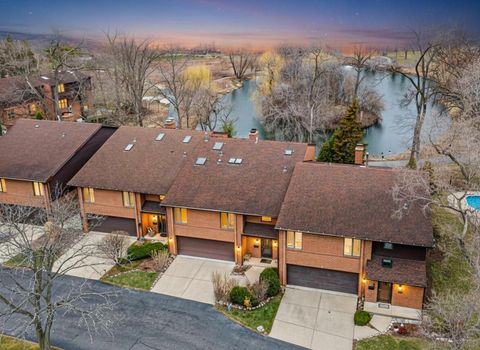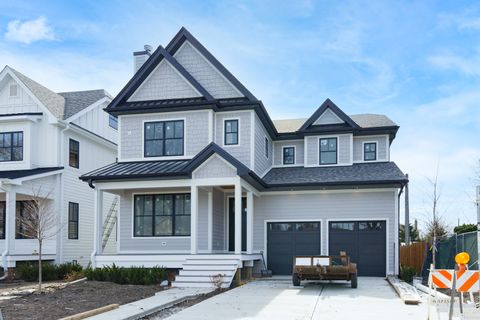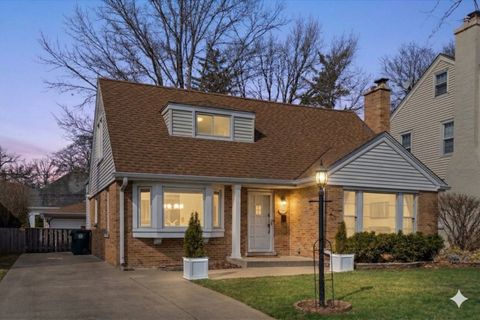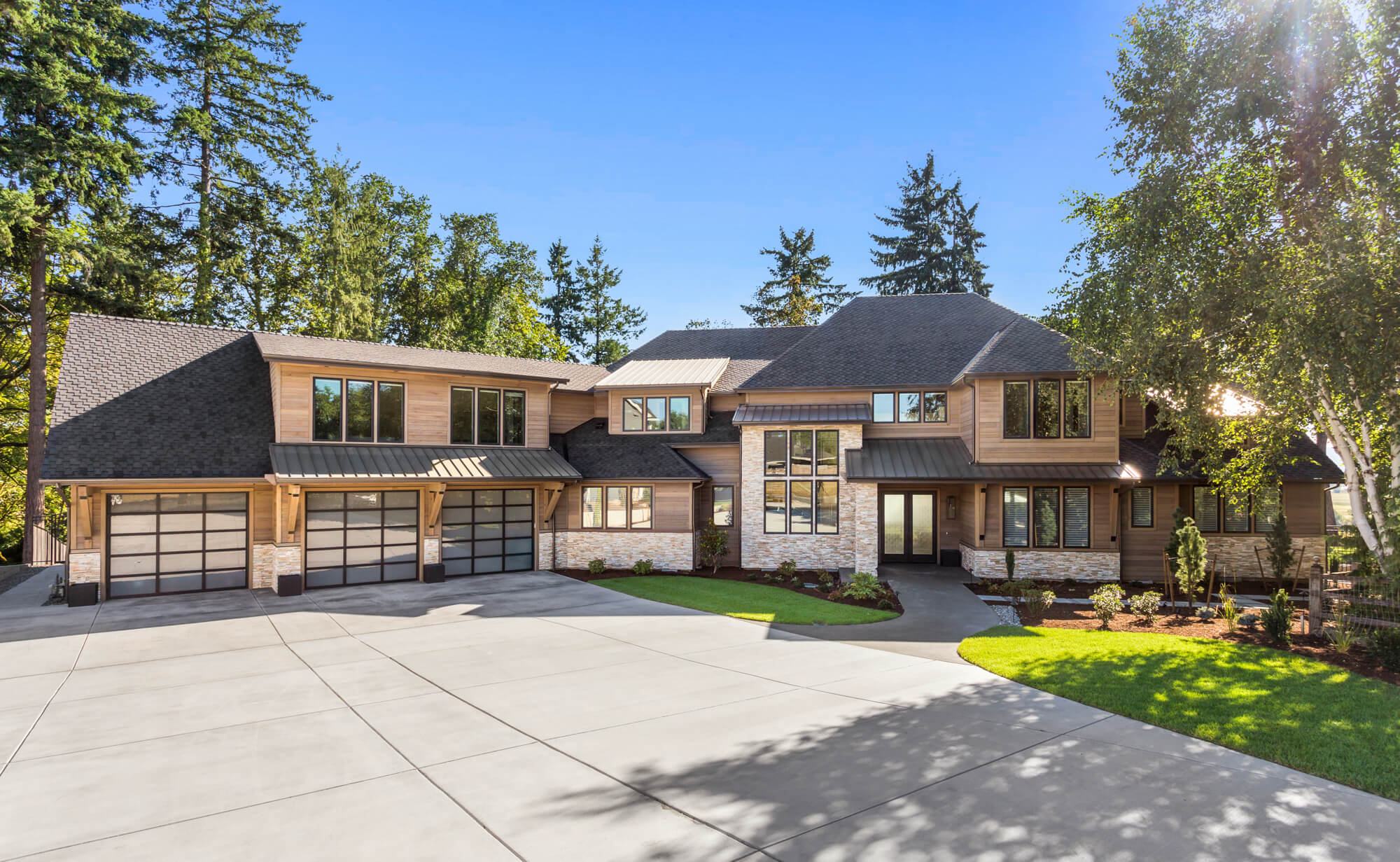
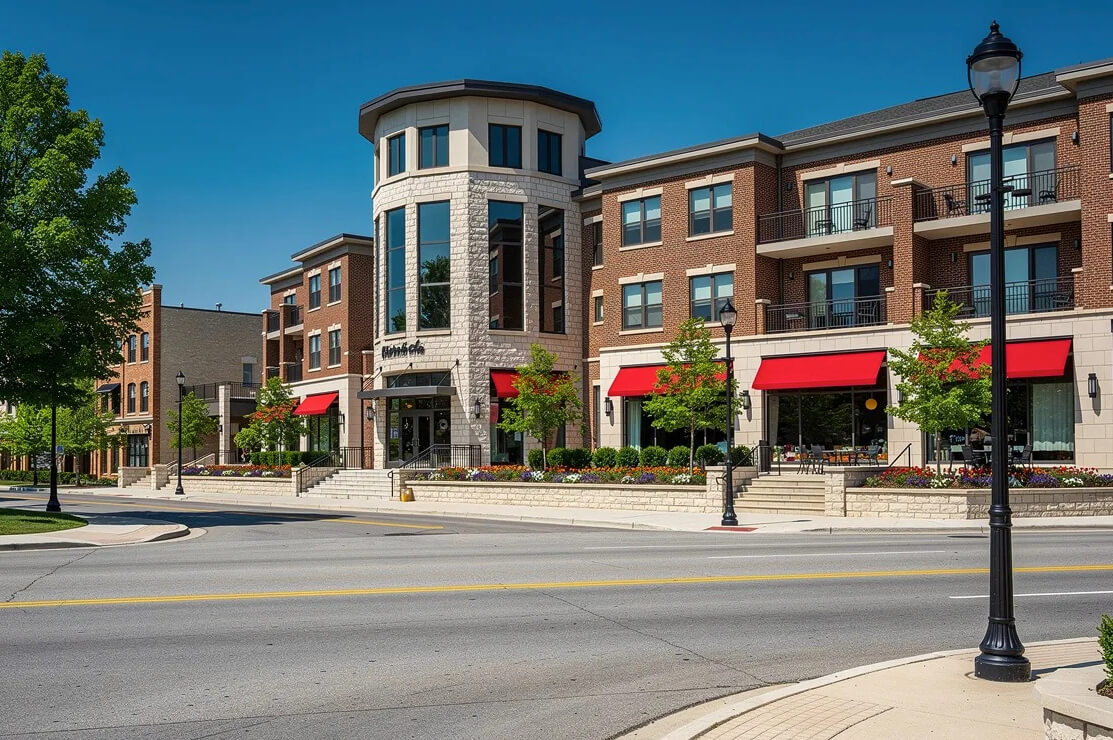
Park Ridge, Illinois, offers a charming, small-town atmosphere with tree-lined streets and a strong sense of community. It feels like a world away from the urban hustle. Yet, one of its greatest assets is its exceptional connectivity. For residents, the daily commute or a spontaneous trip into downtown Chicago isn’t a stressful ordeal involving endless traffic; it’s a simple, convenient journey thanks to a robust public transit network.
This suburb strikes a perfect balance, providing a peaceful residential enclave without sacrificing easy access to the city and beyond. Whether you’re a daily commuter, a student, or someone who just loves having the world at their fingertips, Park Ridge’s transit options make it one of the most practical and desirable places to live in the Chicago area. This guide explores the public transit landscape of Park Ridge, from its efficient train service to its local bus routes and proximity to major transportation hubs.
The Metra: Your Express Lane to Downtown Chicago
The lifeline for most Park Ridge commuters is the Metra rail system. The town is advantageously positioned on one of the most popular and reliable lines, making the trip into the city quick and comfortable.
The Union Pacific Northwest (UP-NW) Line
Park Ridge is a key stop on the Metra’s Union Pacific Northwest (UP-NW) line. This line is a workhorse, serving thousands of commuters daily between Chicago and the northwest suburbs.
- Dee Road Station: Located at 950 Busse Highway, this station primarily serves the western side of Park Ridge. It offers daily parking and is a convenient option for residents who live further from the central downtown area.
- Park Ridge Station: Situated at 100 S. Summit Avenue, this station is the heart of the community’s transit. It’s located right in the middle of Uptown Park Ridge, surrounded by shops, restaurants, and the iconic Pickwick Theatre. Many residents can walk to this station, making it a central part of local life.
The Commuter Experience
Choosing the Metra over driving is a lifestyle choice that many residents embrace. The commute from either Park Ridge station to the Ogilvie Transportation Center in downtown Chicago is remarkably efficient.
- Commute Time: An express train during peak rush hour can get you downtown in as little as 25-30 minutes. The predictable schedule means you can plan your morning with precision, avoiding the uncertainty of expressway traffic.
- Comfort and Productivity: Unlike the stop-and-go stress of driving, the train ride offers a chance to relax or be productive. Commuters use this time to read, answer emails, listen to podcasts, or simply enjoy a coffee before the workday begins.
- Reverse Commuting: The UP-NW line is also a major benefit for those who live in Park Ridge but work in the northwest suburbs. The train provides easy access to corporate centers in towns like Des Plaines, Arlington Heights, and Barrington.
Pace Bus: Connecting the Community
While the Metra handles the long-haul trips, the Pace Bus system provides crucial local and regional connectivity. These routes link residents to shopping centers, medical facilities, nearby suburbs, and CTA train lines.
Key Pace Bus Routes
- Route 209: This route connects the Harlem CTA Blue Line station to the Woodfield Mall in Schaumburg, passing through Park Ridge. It’s a vital link for residents who need access to the “L” system or want to reach one of the region’s largest shopping centers without a car.
- Route 241: Running along Cumberland Avenue, this route connects the Cumberland CTA Blue Line station with the northern part of Park Ridge and Lutheran General Hospital, a major local employer.
- Route 290: This major east-west route travels along Touhy Avenue, linking the Howard CTA station (Red, Purple, and Yellow lines) in Chicago with the Cumberland Blue Line station and beyond. It’s a workhorse for getting across the northern edge of the city and near-north suburbs.
These routes ensure that even residents who don’t live within walking distance of a Metra station can easily access the broader transit network. They are essential for local errands, getting to work within the suburbs, and connecting to Chicago’s CTA system.
Unbeatable Proximity to Major Hubs
Park Ridge’s location offers strategic advantages that go beyond its train and bus lines. Its proximity to one of the world’s busiest airports and major expressways makes regional and international travel incredibly convenient.
O’Hare International Airport (ORD)
One of the most significant benefits of living in Park Ridge is being next door to O’Hare. The airport is just a 10-to-15-minute drive away, without needing to get on a congested expressway. This is an invaluable perk for frequent business travelers or anyone who loves to explore. Forget the expensive taxis or long shuttle rides; a quick trip makes catching a flight easier than from almost any other suburb.
Major Expressways
For those who do need to drive, Park Ridge is advantageously situated between two major expressways.
- The Kennedy Expressway (I-90): This is the primary artery into downtown Chicago. From Park Ridge, you can be on I-90 in minutes, providing a direct route to the city as well as westward toward Rockford and Wisconsin.
- The Tri-State Tollway (I-294): Running north-south, I-294 is the main suburban corridor. It allows residents to easily bypass city traffic when traveling to other suburbs, whether heading north to Lake County or south toward Indiana.
Conclusion: A Commuter’s Dream with a Community Feel
Living in Park Ridge means you don’t have to choose between a quiet, community-oriented lifestyle and the professional opportunities of a major city. The public transit system makes it possible to have both. The Metra provides a fast, civilized commute to the Loop, while Pace buses offer reliable local transportation. And with O’Hare International Airport just around the corner, the rest of the world is within easy reach.
For anyone considering a move to the Chicago suburbs, public transit is a critical factor in quality of life. In Park Ridge, the system is not just a utility; it’s a fundamental part of what makes the community so livable, practical, and connected.